
Understanding Trademark License Agreements
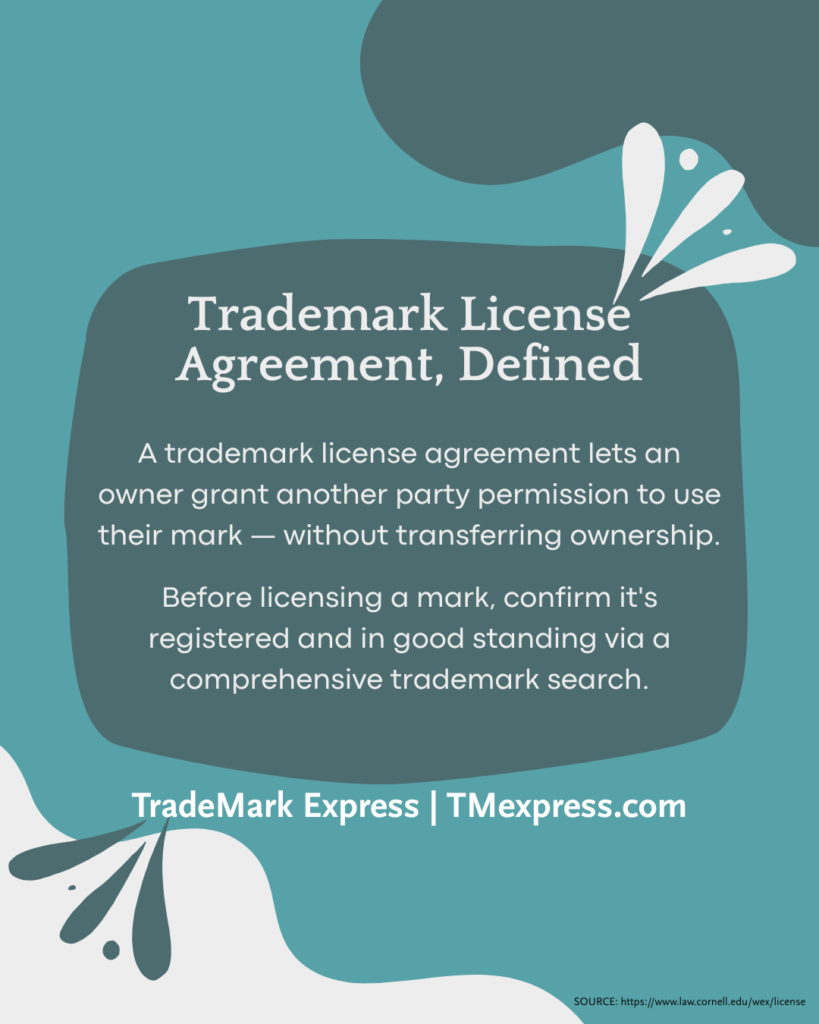
A trademark license agreement is a contract in which a trademark owner (the licensor) grants another party (the licensee) permission to use their mark, usually in exchange for royalties or fees. The agreement spells out how the mark can be used, for what goods or services, and under what conditions.
What a Trademark License Agreement Typically Covers
A well-drafted license agreement is more than a simple permission slip. It usually addresses:
- Scope of use — which goods, services, or territories the license applies to
- Duration — how long the license lasts and how it can be renewed or terminated
- Quality control provisions — terms that let the licensor monitor how the mark is used
- Compensation — royalty rates, flat fees, or other payment terms
- Exclusivity — whether the licensee is the only party allowed to use the mark in a given market, or one of several
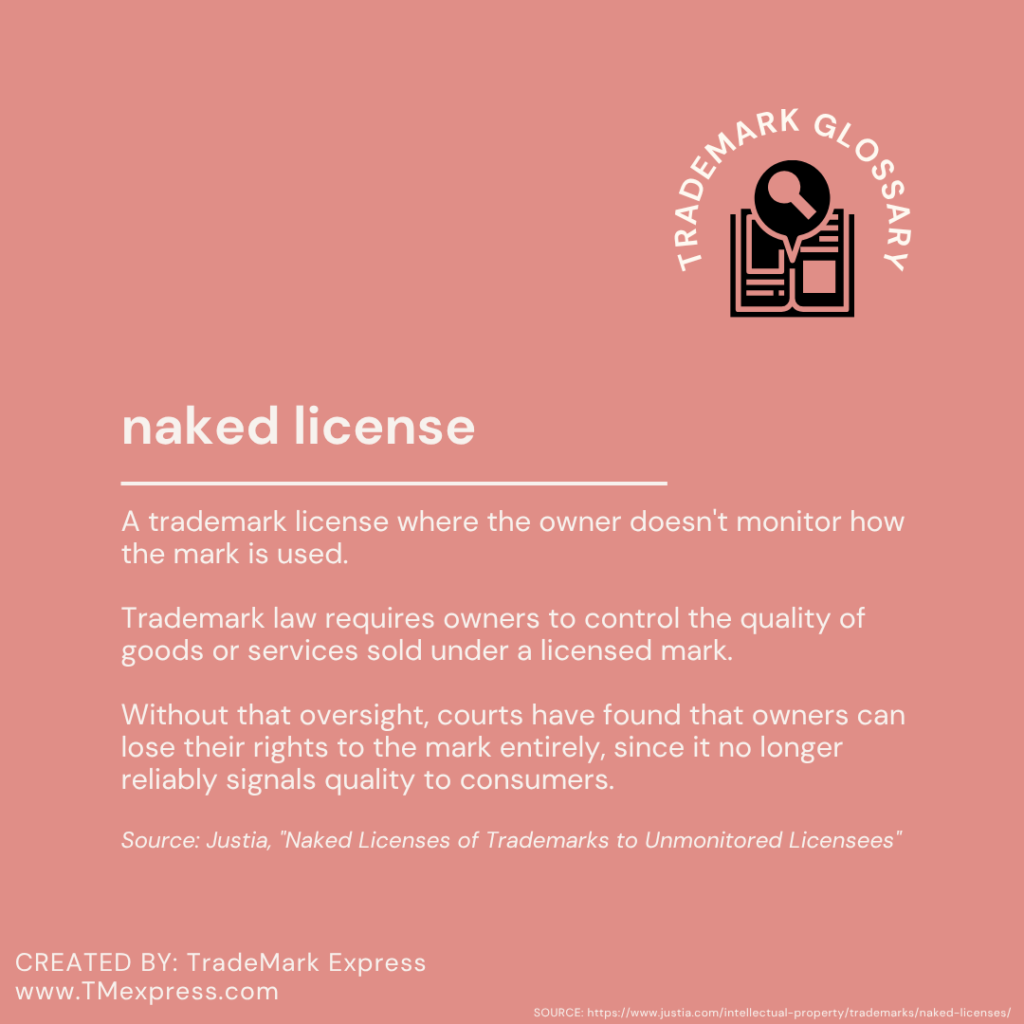
Quality control provisions matter more than many business owners expect. Under trademark law, a mark is supposed to represent a consistent source and standard of quality. If an owner licenses their mark without any oversight of how it’s actually used — sometimes called a “naked license” — courts have found that this can result in the owner losing rights in the mark altogether.
Real-world example: In Eva’s Bridal Ltd. v. Halanick Enterprises (7th Circuit, 2011), a family-owned bridal shop chain licensed its “Eva’s Bridal” name to a relative’s store for $75,000 a year. The written agreement didn’t require the licensee to run the store any particular way and gave the licensor no supervisory authority over it.
When the license expired and the licensee stopped paying royalties but kept using the name, the original owners sued — and lost.
The court ruled that because the owners had never exercised any control over how the mark was used, they had effectively abandoned it. The result: neither side could claim exclusive rights to the name anymore. It’s a widely cited example of why quality control terms aren’t just legal boilerplate.
Why Businesses License Trademarks
Licensing lets a trademark owner expand their brand’s reach without directly manufacturing, selling, or operating in every market themselves. Common examples include:
- A clothing brand licensing its name to a manufacturer for a specific product line
- A franchise licensing its trademark to individual franchise locations
- A media or entertainment brand licensing its name for merchandise
For the licensee, it offers a shortcut: instant brand recognition without having to build that reputation from scratch.
What to Check Before Entering a Trademark License Agreement
Before licensing a mark — or agreeing to license one — it’s worth confirming the trademark itself is solid.
A trademark and common law search can reveal whether the mark is actually registered, whether it’s in good standing with the USPTO, and whether any pending applications, state registrations, or common law rights could complicate the license down the line. Common law rights come from actual use of a mark in commerce, even without registration, and are typically limited to the geographic area where that use has occurred.
It’s also worth checking whether the mark, or something confusingly similar in sound, appearance, or meaning, is already registered or in use for related goods or services. Trademark conflicts aren’t limited to identical matches or identical industries — a licensor with an unresolved dispute over their own mark can pass that risk on to the licensee.
A trademark availability search that covers federal records, state registrations, and common law usage gives both parties a clearer picture before they commit to an agreement.
Frequently Asked Questions
Is a trademark license agreement the same as an assignment? No. A license grants permission to use a mark while the licensor retains ownership. An assignment transfers ownership of the trademark entirely to another party.
Can I license a trademark that isn’t federally registered? Yes, though it’s less common and typically riskier. Marks with common law rights only can still be licensed, but the scope of protection is usually narrower and geographically limited.
Do I need a lawyer to draft a trademark license agreement? These agreements involve legal terms that affect ownership and enforcement rights, so most businesses have a trademark attorney draft or review the contract before signing.
What happens if a licensee misuses the trademark? This depends on the terms of the agreement — but as the Eva’s Bridal case shows, a licensor who never enforces any quality standards risks losing rights in the mark, not just facing a contract dispute.
Ready to License Your Trademark with Confidence?
Before entering any trademark license agreement, it helps to know exactly where your mark stands. TradeMark Express can perform a comprehensive trademark search to check federal records, state registrations, and common law usage — giving you a clear picture before you negotiate. If legal guidance is needed, we can also connect you with a trademark attorney from our referral network. Contact us today to get started.